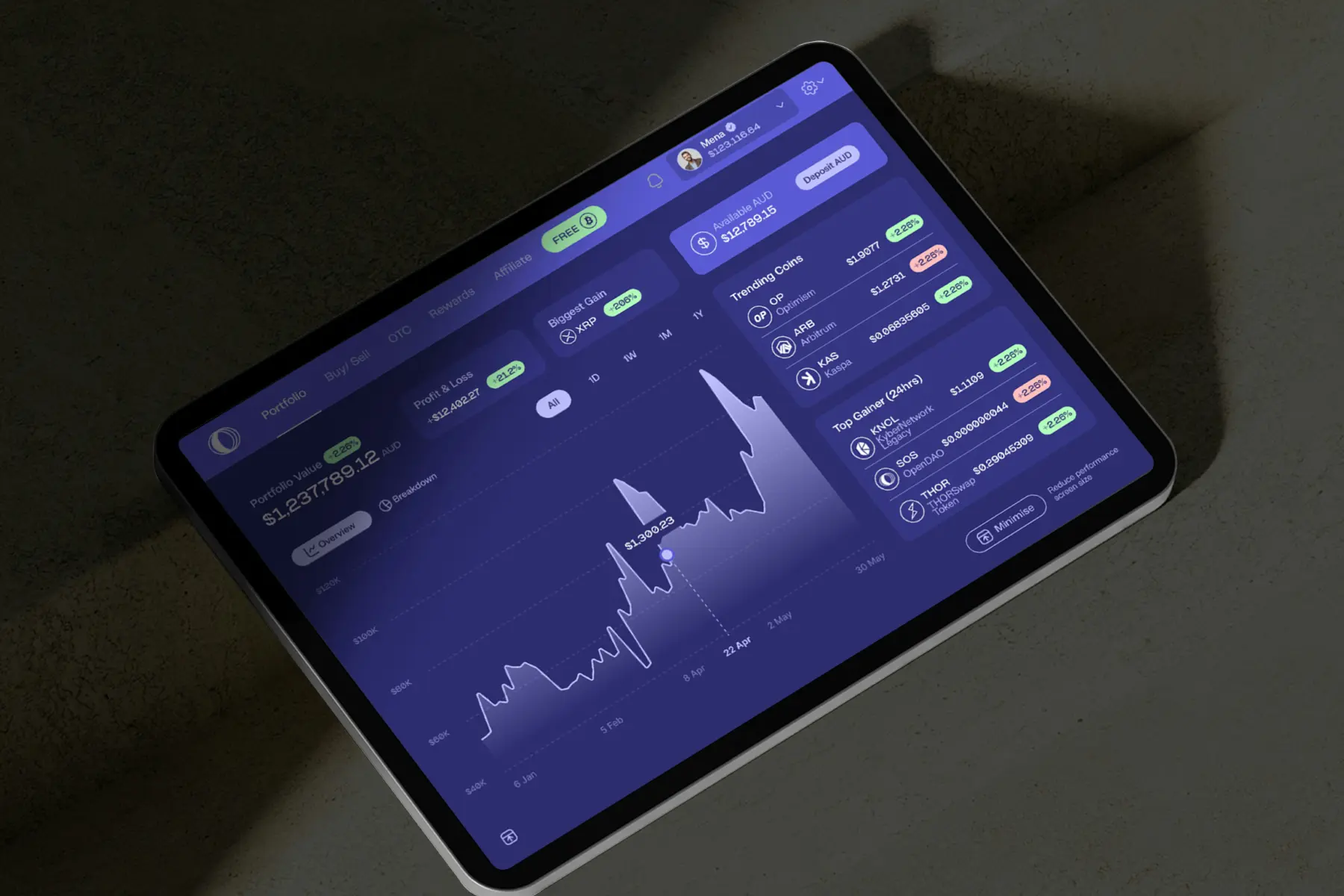

Modern digital infrastructure depends on systems that are not only scalable and efficient, but also secure and resilient. As businesses adopt cloud platforms, distributed applications, and connected services, security becomes an essential part of long-term operational stability rather than a secondary consideration.
Security today extends far beyond basic protection measures. Organizations are increasingly focused on infrastructure visibility, access management, monitoring, and maintaining reliable operations across growing systems and teams.
Security is no longer treated as a separate layer. It has become part of the foundation of modern system architecture.
Key areas shaping modern security strategies
Businesses are investing in processes and technologies that help reduce operational risk while improving visibility and long-term maintainability across systems.
- Infrastructure monitoring and visibility
- Secure authentication and access control
- Cloud security and distributed environments
- Automated backup and recovery workflows
- Security-focused deployment processes
- Ongoing system maintenance and updates
Modern security practices also place greater emphasis on proactive monitoring and operational awareness. Instead of reacting only after incidents occur, businesses are implementing systems designed to identify issues earlier and maintain greater visibility across infrastructure and workflows.

Areas seeing the biggest changes
1. Infrastructure security
Cloud-native systems and distributed environments require more structured approaches to monitoring, access management, and operational control.
2. Development workflows
Security is increasingly integrated directly into development and deployment processes rather than handled separately after release.
3. Data protection
Organizations continue investing in secure storage, encrypted communication, and more reliable data handling practices.
4. Operational resilience
Businesses are prioritizing systems that remain stable and recover quickly in changing operational conditions.
Reliable infrastructure depends on security practices that are consistent, scalable, and built into everyday operations.
Common priorities for secure systems
Modern security strategies are increasingly focused on building stable, maintainable environments that support long-term operational reliability. As infrastructure grows more distributed and interconnected, businesses continue prioritizing processes that improve visibility, consistency, and system resilience.
- Clear access management
- Reliable infrastructure monitoring
- Consistent deployment workflows
- Long-term system maintainability
- Operational stability and resilience
- Scalable security practices
As digital infrastructure continues evolving, security remains closely connected to system reliability, scalability, and long-term operational success. The focus is shifting toward building environments that are not only protected, but also adaptable and maintainable as complexity grows.